Cloth and construction
We do not sell cloth by the metre — we bring the bunch books to you and cut a garment from what you choose. This page is about how that choice is made for a city at thirty-five degrees, and about what happens to the cloth after you have chosen it. Part of ourbespoke tailoring in Bangkok.
Choosing for the climate rather than the swatch
Almost every cloth decision in this city is made in an air-conditioned room for a garment that will be worn outside it. That is the whole problem, and it is why the cloth that feels most expensive in the hand is so often the wrong one.
A dense, smooth, high-count worsted looks superb folded on a table and stops moving air the moment you step outside. An open weave in a plainer cloth will out-perform it every day of the hot season, and it recovers overnight instead of holding every crease from the car.
- Weave before fibre. How open it is decides how it behaves here
- Twist before count. High-twist yarns resist creasing and spring back
- Weight for the room, not for the season on the label
- Higher Super numbers are finer and more fragile, not more durable
Wool and worsted
Worsted wool does most of the work in most wardrobes, and the range inside it is wider than people expect — from open tropical weaves that suit this climate to the heavier cloths worth having for somewhere colder.
More on wool and worsted.
Linen and warm-weather cloth
Linen creases within an hour of putting it on and no finish prevents that. The question is whether you want a cloth that looks lived in or one that looks pressed at six in the evening — both are legitimate and they are not the same garment.
More on linen and warm-weather cloth.
Construction — what happens to the cloth
Choosing cloth is half the decision. The other half is what is built underneath it, and that is the half almost nobody is shown.
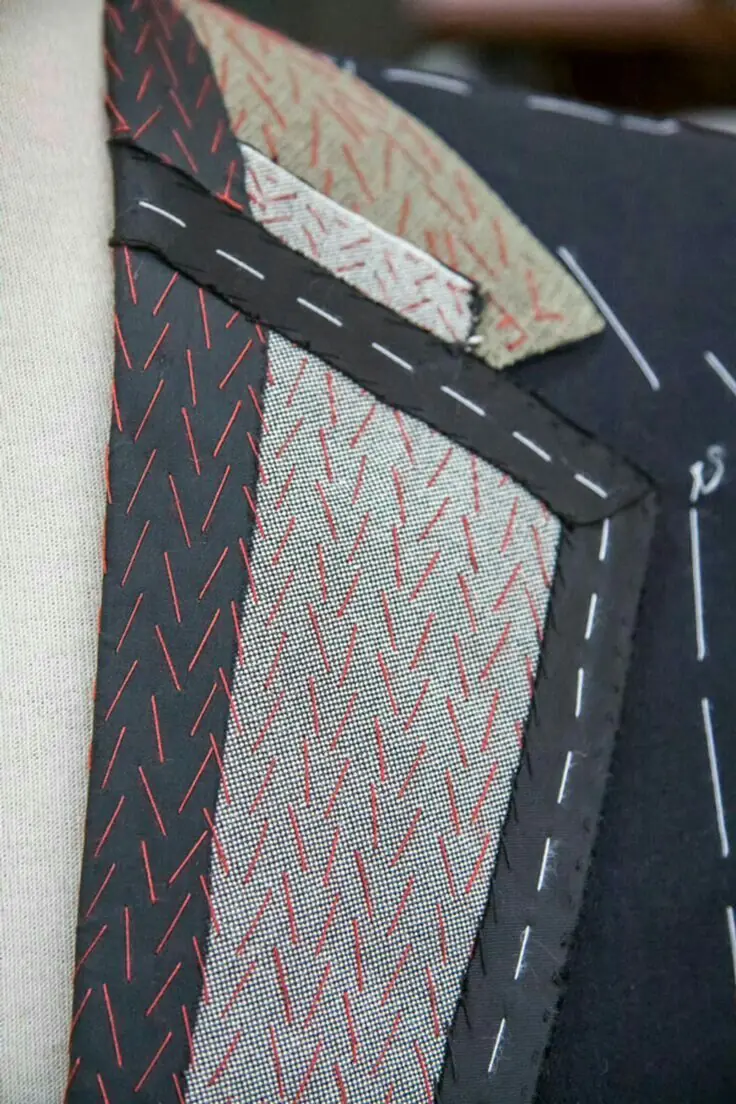
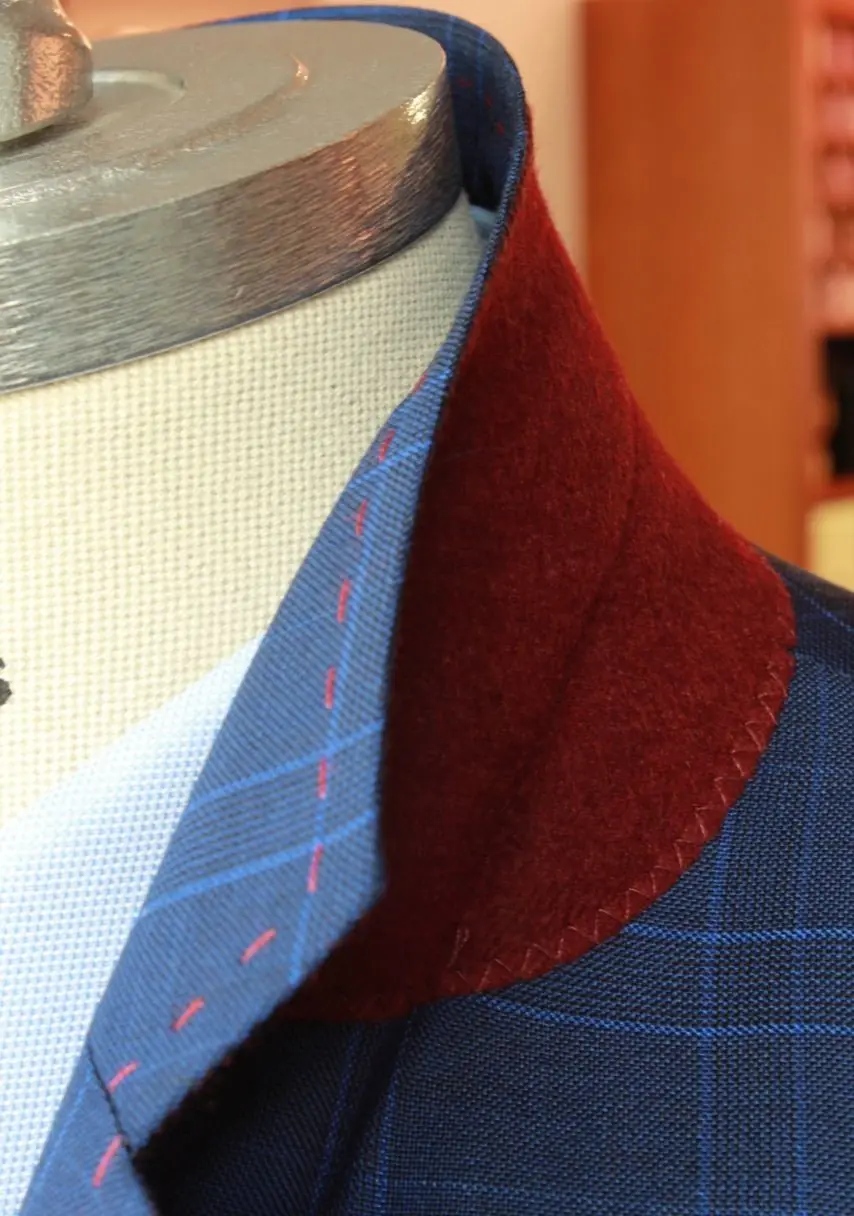
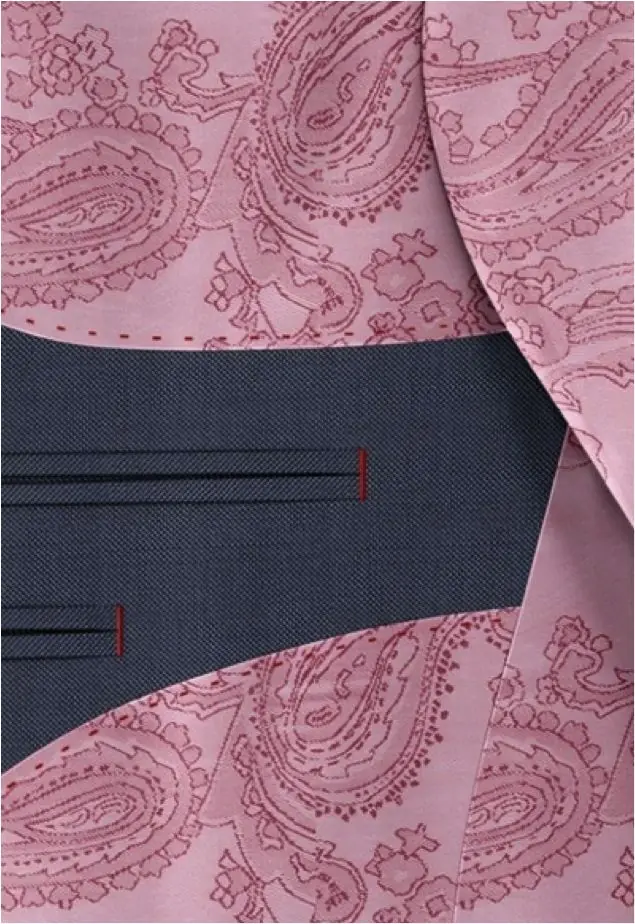
The chest of a jacket is shaped by a layer of canvas under the cloth. Stitched in, it moves with you and keeps its shape for as long as the cloth lasts. Glued in — fused — it is faster and cheaper, and under heat, humidity and dry cleaning it eventually shows as bubbling across the front. All three of those conditions are what a Bangkok suit gets.
Which one you are being sold is the most useful question to ask any tailor in this city, and the one most price comparisons never mention. The full argument, including the fifteen-second test you can do with your own thumb, is in the guide tofull canvas, half canvas and fused.
How you actually choose
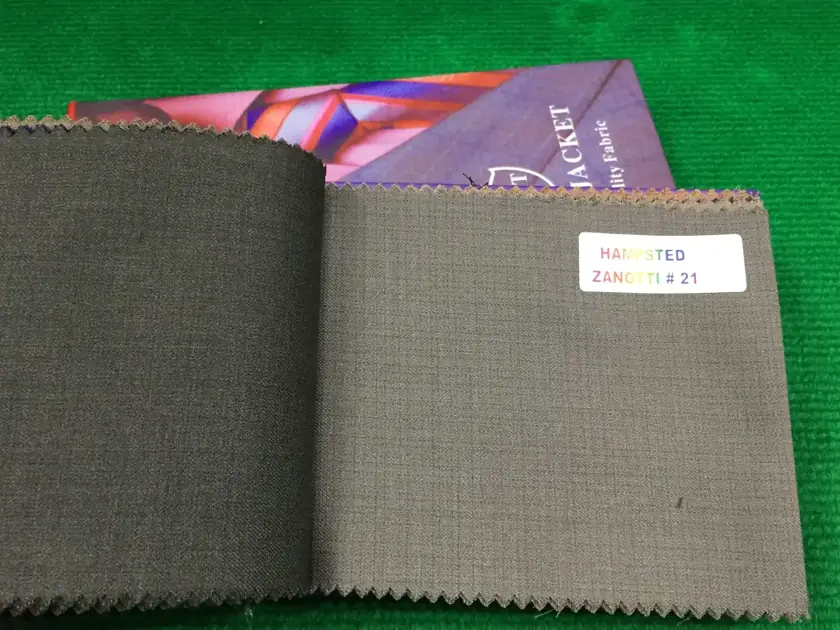
- We bring the bunch books to your hotel, office or home.
- You see the cloth in your own light, not under a shop's lighting.
- We say what each one will do in this climate, including when it is wrong for you.
- The choice is made against the garment's purpose, then it is cut.
The whole sequence is onhow a fitting works, and the garments are under bespoke suits.
What we will not do
- Sell you cloth by the metre — we are a tailor, not a fabric merchant
- Recommend a cloth because it is what is in stock
- Let a Super number stand in for whether a cloth suits how you live
What our customers say
Best tailor in Bangkok! Raj and Alex were extremely kind and helpful, which made the experience even better. Now we have beautiful linen clothes to take back home.
Agustín DaviesRead it on Google
Mr Sam at The Boss Tailor in Bangkok was very nice to do business with. I ordered linnen shirts and trousers, had my measurements taken - and the day after the clothes where finished. Both shirts and trousers fit perfectly, the quality is very good! I can only recommend Mr Sam and The Boss Tailor in Bangkok !!!
Lars HalbergRead it on Google
See the cloth
We bring the bunch books to you. Tell us where you are.
The Boss Tailor · All Bangkok - fittings at the customer's hotel, office or residence ·+66911051152 ·On Google
Questions we are actually asked
- What fabric is best for Thailand?
- An open weave in a high-twist wool. The property that matters here is not the fibre so much as how much air the weave lets through and how well it recovers overnight — which is why a plainer cloth in an open weave beats a smoother, denser one that feels more expensive in the hand.
- What's the best fabric for a suit?
- There is no single answer, and a tailor who gives you one is selling what they have. It depends on where the suit is worn, how often, and indoors or out. Worsted wool covers most of it; the useful conversation is about weight and weave rather than about the name on the bunch.
- What is the highest quality fabric for suits?
- Higher yarn counts — the Super numbers — feel finer and are more fragile, not more durable. A Super 150 is a beautiful cloth for an occasion suit and a poor choice for one worn weekly in this climate. "Highest quality" and "right for you" are different questions.
- Where can I buy fabric in Bangkok?
- We are not the answer to that one, and it is worth saying plainly: we do not sell cloth by the metre. We hold bunch books and cut garments from them. If you want fabric to take away, a fabric merchant is what you are looking for, not a tailor.
- Can you get a suit made in Bangkok?
- Yes, and the question worth asking alongside it is how. Ask how the jacket is constructed and whether you will see it half-made before it is finished — those two answers separate the field faster than anything else.